
Scott Musgrave-Takeda
PhD Candidate in Arts (University of Melbourne)| Environmental Justice Researcher | Community Engagement and Policy
About
Scott Musgrave-Takeda is a researcher and PhD candidate at the University of Melbourne’s Asia Institute. His work explores environmental justice, civil society, and security in Okinawa, with a focus on issues such as PFAS contamination, water rights, UNESCO World Heritage politics, and forest conservation. More broadly, his research investigates how communities navigate power, identity, and resistance across East Asia.
Scott’s scholarship contributes to the development of Critical Environmental Justice frameworks, refining concepts such as the Treadmill of Destruction to better fit with existing frameworks. While grounded in Okinawa, his work also explores the interconnectedness of local struggles and international systems.
Beyond his research, Scott is committed to bridging scholarship and practice. He serves as Vice President of the incorporated charity The Association for New Elderly (ANE), where he has volunteered for over a year to lead community engagement initiatives, develop projects, and support ongoing activities through grant applications. He has also worked as a research assistant on collaborative projects, contributing to evidence-based analysis and public-facing outcomes. His teaching across international politics, Japanese language and culture, and the social sciences has honed his ability to distil complex concepts for diverse audiences, from students and civic actors to policymakers. In addition, he sits on the Monash City Council Environmental Advisory Committee, contributing to local environmental policy and strategy.
Scott holds a Master’s in International Relations and a Bachelor’s in Applied Linguistics from Griffith University. Before academia, he worked in the international education sector in both Japan and Australia, experience that shaped his approach to stakeholder engagement, diversity, and cross-cultural collaboration.
Originally from Queensland and now based in Melbourne, Scott brings a global outlook to local challenges. At heart, he is motivated by the belief that voice is not given but forged. It is created through relationships, mistakes, and the courage to stay in uncomfortable spaces. Inspired as much by civic actors and people in his life, he values authenticity not as a fixed trait but as something continuously shaped by context, care, and courage.
Outside of work, he is passionate about baseball, good coffee, and the evolving, everyday work of family life
Get in touch
Scott is always available for side collaborations and talks worldwide. If you want to chat about research collaboration, research in general, baseball, or anything else, don’t hesitate in reaching out.
.
Research Focus
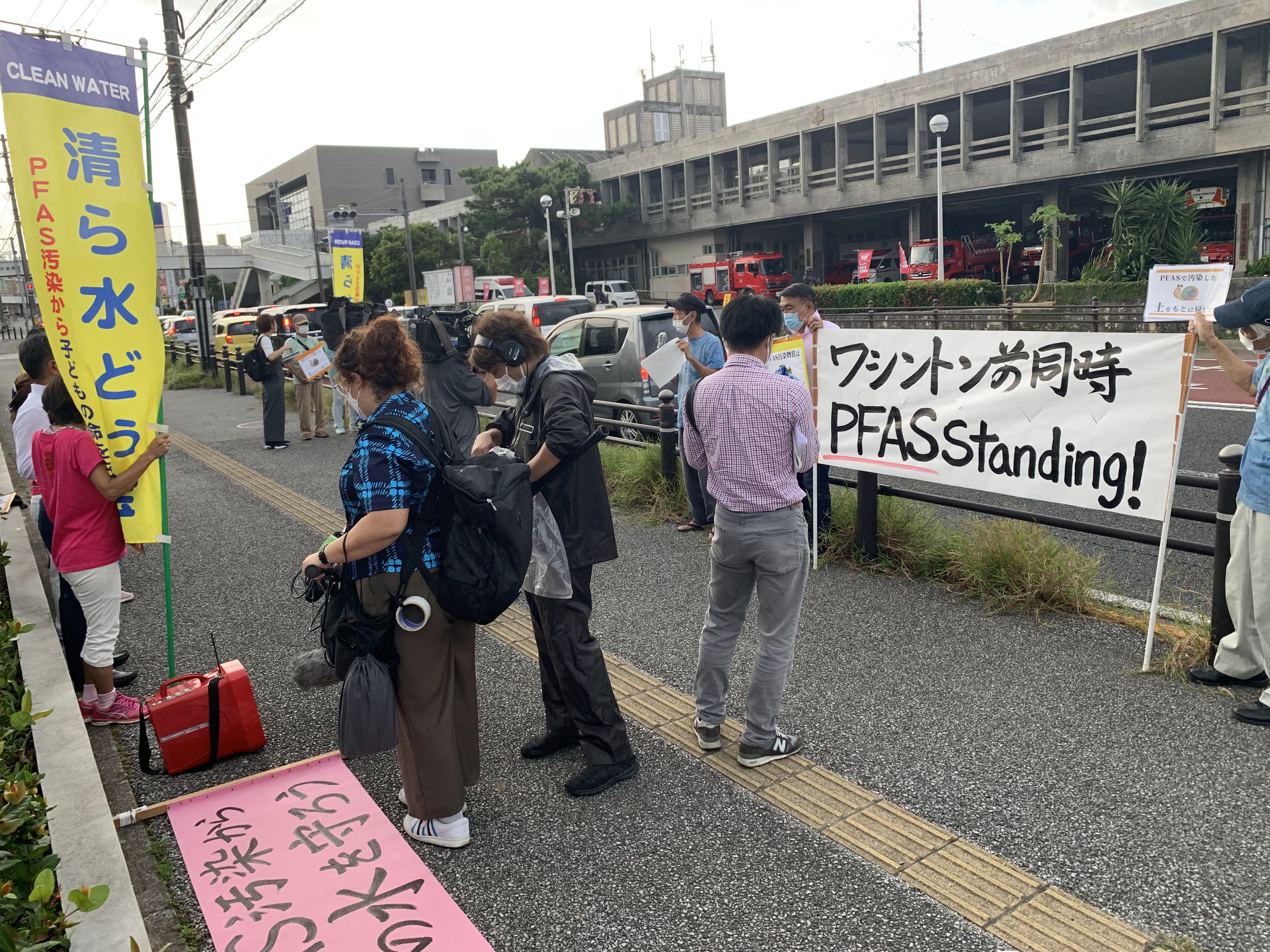
Environmental activism in Okinawa over PFAS and the Yanbaru forest has yet to be closely examined by academics and has been largely unknown to those outside of the Ryukyu archipelago. My research hopes to bring greater exposure to risks to the human and natural environments in Okinawa and how civil society actors are trying to navigate the numerous barriers to achieving environmental justice and mitigating risk in the greater scheme of international relations.

Critical Environmental Justice (CEJ) expands traditional environmental justice by addressing deeper structural inequalities and intersecting systems of oppression, such as racism, capitalism, militarism, and colonialism. It challenges narrow definitions of justice that focus only on distributional equity and instead emphasizes the need for systemic change. CEJ is crucial because it reveals how environmental harms are not just isolated issues but are embedded in broader power dynamics, requiring more transformative approaches. By integrating CEJ into research and activism, we can better understand and dismantle the root causes of environmental injustice, leading to more sustainable and equitable futures.

Scott Musgrave-Takeda, PhD Candidate
Links to some of the great organisations and people working on mitigating environmental risk in Okinawa.
 Scott Musgrave-Takeda, PhD Candidate